FREQUENTLY ASKED QUESTIONS
What is the Liffey Salmon Migration Barrier Project?
This project aims to improve fish migration and river health along the River Liffey by addressing the impacts of seven existing weirs. This will be achieved by looking at a range of mitigation options including weir removal. The project is a collaborative initiative between Fingal County Council, Dublin City Council, South Dublin County Council and Inland Fisheries Ireland, with support from the River Basin Management Service (formerly the Local Authority Waters Programme or LAWPRO), the Liffey Rivers Trust and the Liffey Salmon Project. The project originated from an assessment of fish passage on the River Liffey undertaken by Inland Fisheries Ireland and community-initiated consultations regarding improving water quality in the river and improving salmon stocks.
Why is this project needed?
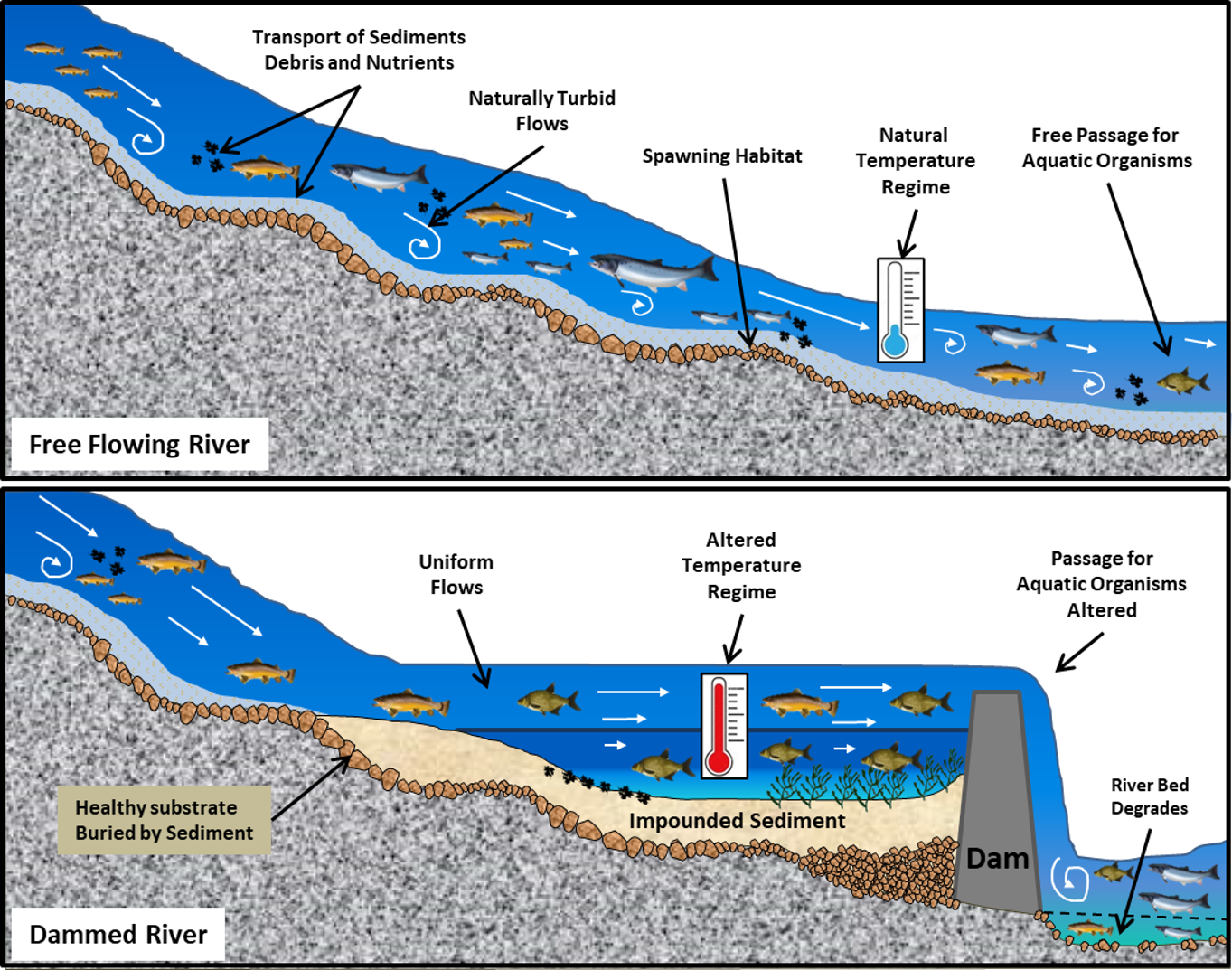
Dublin and the River Liffey are famous because it is one of the very few capital city rivers in the world that supports wild Atlantic salmon. However, Liffey salmon populations have dropped to critically low numbers. While climate change and other global factors are impacting this decline, it is also known that barriers and weirs along the River Liffey interrupt the natural flow of the river and restrict fish movement. This contributes to habitat loss and declining fish populations, including salmon. The project aims to restore connectivity and support the long-term health of the river.
What organisations are involved in the project?
“The three local authorities in which the weirs are located are working together to progress this project: Fingal County Council, Dublin City Council and South Dublin County Council. Inland Fisheries Ireland, who manage the National Barriers Mitigation Programme are providing funding for the project. The project is supported by the River Basin Management Service (formerly the Local Authority Waters Programme or LAWPRO), the Liffey Salmon Project and the Liffey Rivers Trust.”
Which weirs are being assessed?
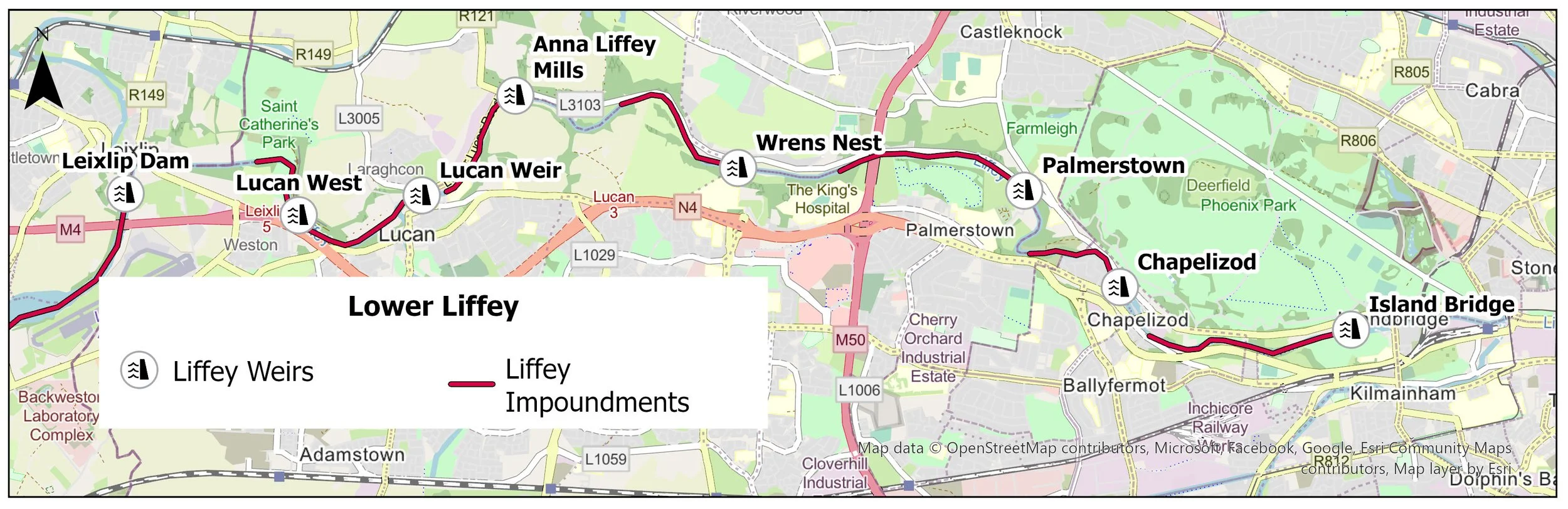
The project focuses on seven weirs downstream of Leixlip dam:
Island Bridge Weir
Chapelizod Weir
Palmerstown Lower Weir
Wrens Nest Weir
Anna Liffey Weir
Lucan Weir
Lucan West Weir
What types of solutions are being considered?
A range of options will be explored, including fish passes, rock ramps, bypass channels and other site-specific measures. The most appropriate solution for each location will be identified through detailed assessment.
Will the weirs be removed?
Each weir will be assessed individually, and the most suitable approach will be selected based on environmental, technical and heritage considerations, engagement with the weir owners and feedback from stakeholders and the community. The following options will be considered at each weir:
A. Complete weir removal
B. Removal of a section of a weir (i.e. partial removal)
C. Refurbishment of existing fish ladder (which cater for salmon only)
D. Lowering of the existing weir in conjunction with other fish passes
E. Installation of rock ramp fish pass downstream of the weir
F. Construction of an upstream rock ramp
G. Bypass channel
H. Any other feasible options considered by the consultant
I. Do nothing
Will removing a weir increase flood risk?
Flood protection and the safety of surrounding areas are key considerations in the design process. Normally, removal of a weir reduces the risk of flooding in the area around the weir. All proposed measures will be carefully assessed to ensure there is no increase in flood risk.
Will heritage structures be protected?
The weirs on the Liffey are either Protected Structures under the Planning Act or recorded Monuments under the National Monuments Act or both. Accordingly, the historical and industrial heritage significance of the weirs will be considered as part of this assessment. It should be borne in mind that most of the weirs have not been maintained for decades and this project also offers an opportunity to identify repair works needed to maintain these structures if they are completely or partially retained.
Who owns the weirs?
The weirs on the Liffey are in both private and public ownership. Lucan Weir, Palmerstown Weir and Chapelizod Weir are owned by private individuals or companies. The remaining weirs are owned by the local authorities involved in the project.
Which fish are found in the Liffey?
Dublin is unique in that iconic, wild Atlantic salmon return from the sea straight through the heart of the capital to spawn in upriver gravel beds. A number of other fish species rely on free movement along the River Liffey and would benefit from improvements in river connectivity.
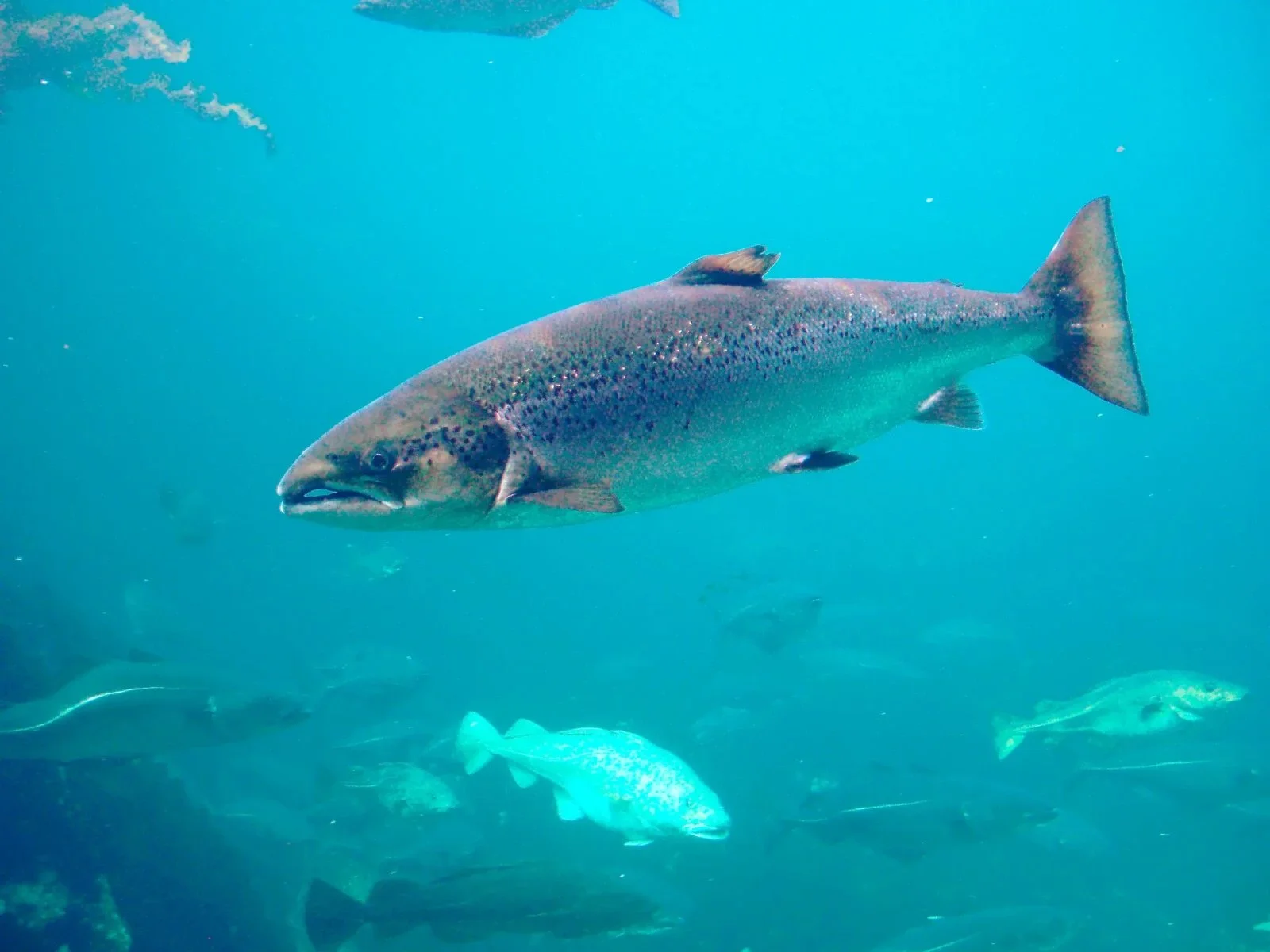
Atlantic Salmon: Ireland’s most iconic fish is a long-distance traveller of the North Atlantic, returning against the odds to the very river where it began life. For centuries Atlantic salmon have returned to the Liffey to spawn on the gravel beds. The Liffey has two salmon runs: bigger, older fish that return after multiple winters at sea are often called springers and usually return to the Liffey in the spring. Salmon that mature after one year at sea are called grilse and usually return in the summer.”most iconic fish is a long-distance traveller of the North Atlantic, returning against the odds to the very river where it began life. For centuries Atlantic salmon returned to the Liffey to spawn on the gravel beds at Christmas time.
Life Cycle: Anadromous – migrate from river to sea and return to spawn
Migration: Travel thousands of kilometres to feeding grounds near Greenland and the Norwegian Sea
Conservation Status: Vulnerable
Key Threats: Barriers to migration, habitat loss, water quality, overfishing, sea lice, climate change
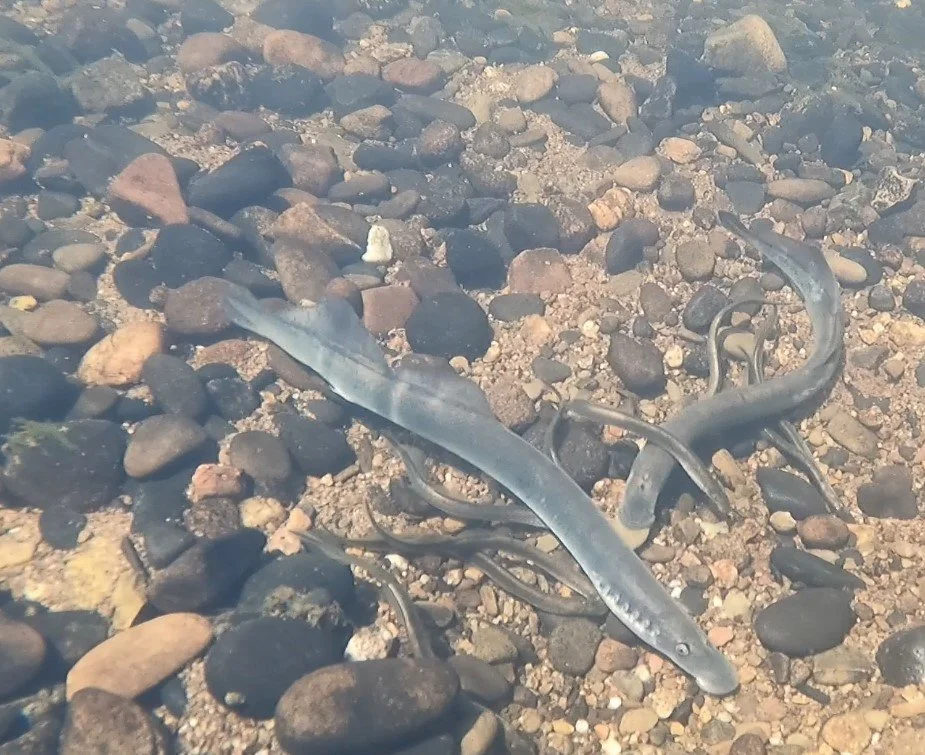
Sea Lamprey & River Lamprey: Native to Ireland, ancient and jawless fish that dependent on healthy, connected rivers.
Life Cycle: Spend several years in river sediments before becoming free-swimming adults
Conservation Status:
Sea Lamprey: Near Threatened
River Lamprey: Data Deficient
Key Threats: Barriers to migration, pollution, instream works, climate change
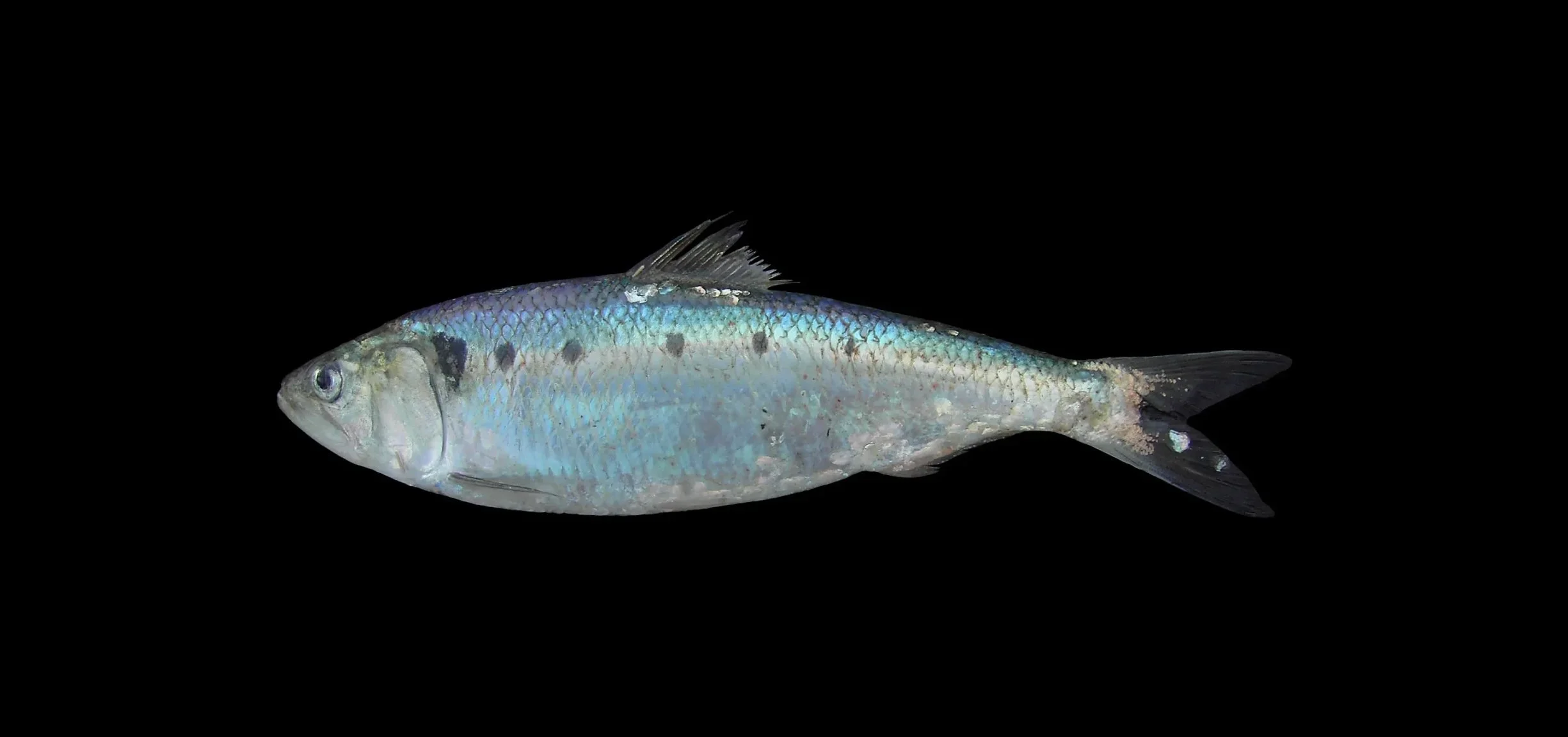
Twaite Shad & Allis Shad: Rare migratory fish whose journey between sea and river depends on clear, unobstructed pathways upstream.
Life Cycle: Migratory between sea and river
Conservation Status:
o Twaite Shad: Vulnerable
o Allis Shad: Data Deficient
Key Threats: Barriers to migration, pollution, fishing pressure, climate change
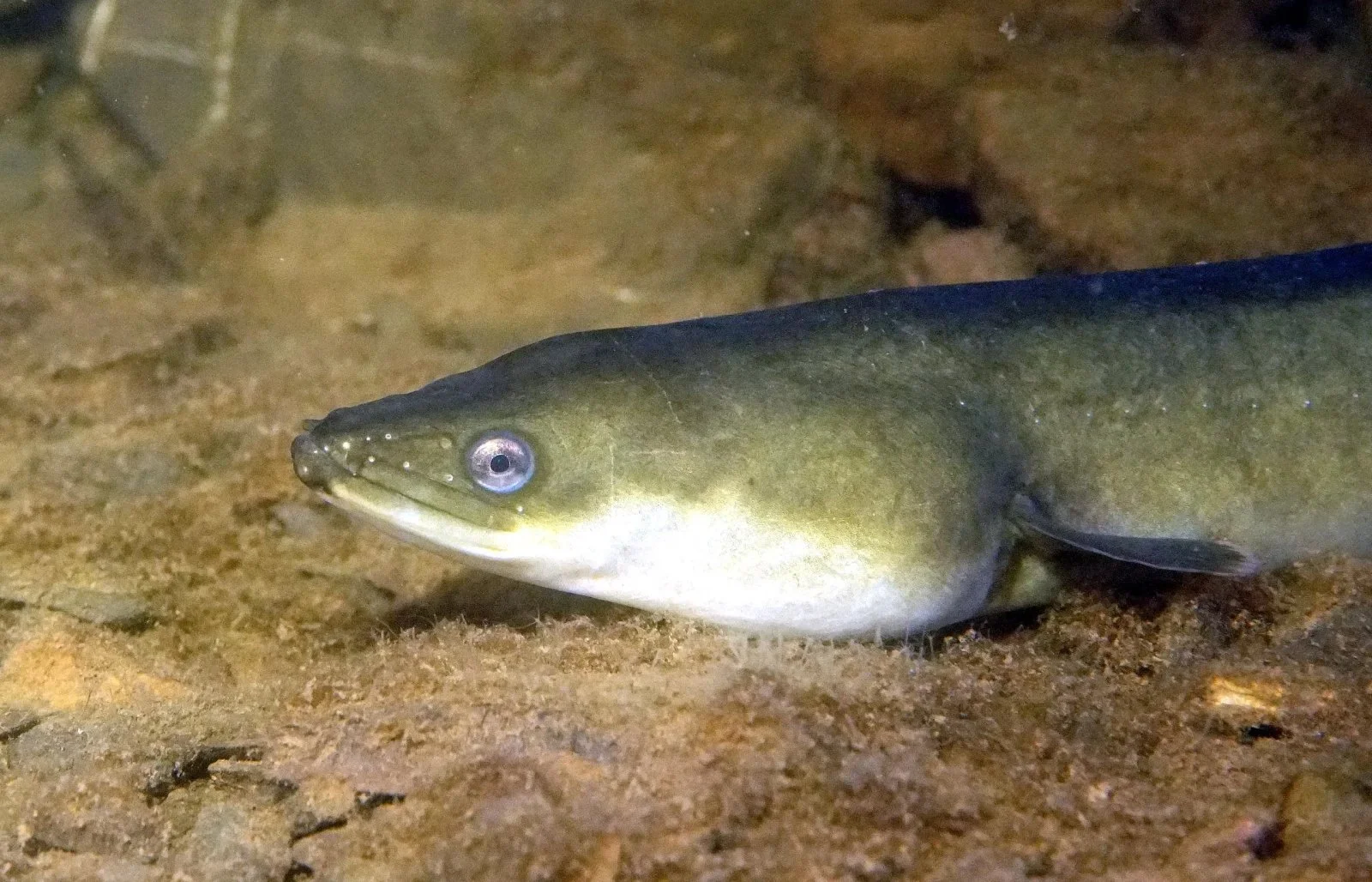
European Eel: Eels are one of Irelands most long-lived fish, undertaking an extraordinary migration from Irish rivers to the depths of the Atlantic.
Life Cycle: Catadromous – hatch in the ocean, grow in rivers, return to sea to spawn
Lifespan: Can live over 25–50 years
Migration: Travel to the ocean during dark, high-flow conditions
Conservation Status: Critically Endangered
Key Threats: Barriers, habitat loss, pollution, overfishing, parasites, climate change
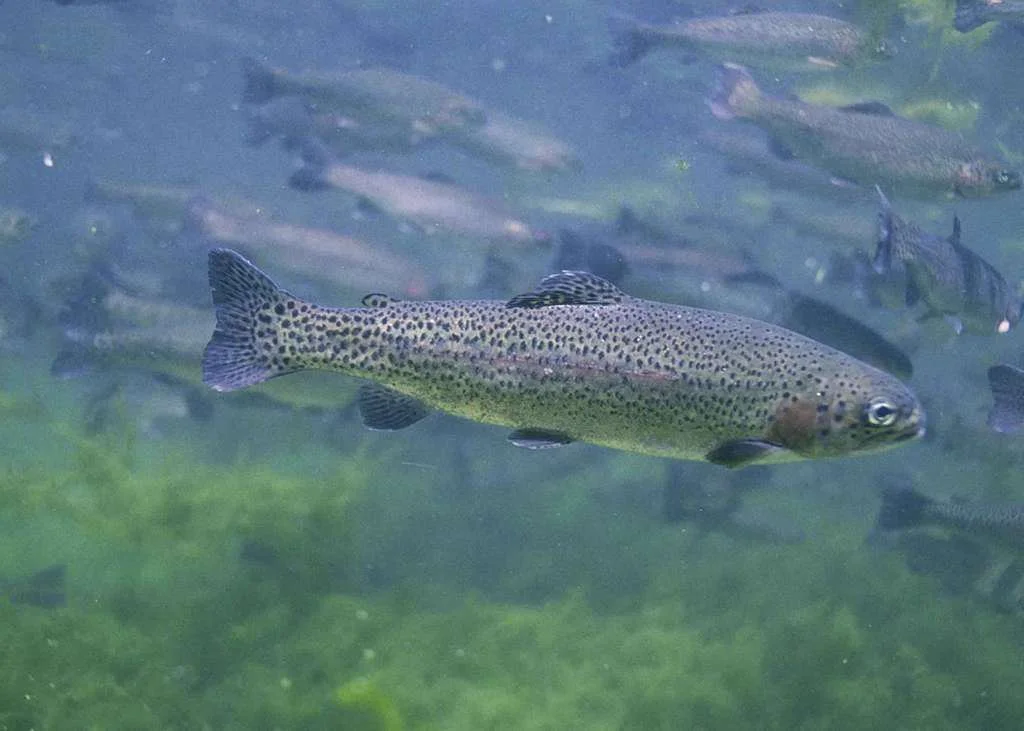
Sea Trout: A flexible and resilient migrator, with individuals following remarkably different life journeys between river and sea.
Life Cycle: Anadromous – move between freshwater and the sea
Behaviour: Some return quickly (finnock), others remain at sea longer (maidens)
Conservation Status: Least Concern
Key Threats: Water quality decline, habitat loss, sea lice, overfishing, climate change
How can I get involved?
We encourage all interested parties to take part and help shape the future of the River Liffey. The Project Team is committed to open communication throughout the process and will provide updates as the project progresses. Details of engagement opportunities will be shared in advance through this website, local media and project communications.
You can get involved in the project in a number of ways:
Attend public consultation events
Review project information and materials online
Submit feedback during consultation stages
Details of upcoming consultation opportunities will be shared in advance on this website and through local communications.
There will be multiple stages of public and stakeholder engagement, including consultation on preferred options and final designs, before any planning application is submitted.
When will a decision be made?
Decisions will be made following detailed assessment and consultation. A planning application will then be submitted to An Coimisiún Pleanála, which will include a statutory public consultation process.